Loading market dashboard

W&T Offshore, Inc.
WTIEnergyNYSEUS
Loading disclosure news
News and disclosures filtered by period, publisher, and event group.
Select a headline to open the full news page in the app.
Oil markets are losing ground as traders prepare for the start of the rate hike cycle.

One month-plus into the truce, supply-demand dynamics dominate as US production stays robust. WTI slides below $92 after channel violation, Brent defends $94.69 support, and Natural Gas maintains position at $3.327 with positive momentum.

Hezbollah, which is fighting against Israel, rejected the ceasefire deal.
With geopolitical risk premium largely removed, oil benchmarks found support inside channels while natural gas maintained strength. WTI defended $95.53 with higher lows, Brent tested $97.18, and NatGas retested $3.231 after recent surge.
Oil prices remain supported as Iran tensions, Strait of Hormuz risks, and falling U.S. crude inventories keep WTI near a key breakout zone while Brent holds its bullish structure.

In turn, the U.S. attacked an empty oil tanker that was headed to Iran.

With geopolitical risk premium largely removed, oil benchmarks found support inside channels while natural gas maintained strength. WTI defended $94.68 with higher lows, Brent held $96.93, and NatGas retested $3.161 after surge.

Oil markets are moving higher as President Trump said that he expected that memorandum of understanding with Iran would be ready over the next week.

Crude oil prices remain volatile as U.S.-Iran peace talks, Strait of Hormuz risks, and tight supply conditions keep WTI and Brent trapped in broad consolidation ranges.

With geopolitical risk premium largely removed, oil benchmarks faced renewed selling pressure while natural gas showed resilience. WTI confirms bearish breakdown targeting $89.14, Brent tests channel floor at $94.06, and NatGas holds $3.169 after surge.
President Trump said that Israel and Hezbollah agreed to a ceasefire and added that talks with Iran continued, but traders wanted to see additional confirmation.

With geopolitical risk premium largely removed, oil benchmarks found support inside ascending channels while natural gas delivered a powerful move. WTI defended $90.29 with higher lows, Brent bounced off channel floor, and NatGas broke higher targeting $3.473.
Oil markets test new lows as traders wait for results of U.S. – Iran talks.

One month-plus into the truce, supply-demand dynamics dominate as US production stays robust. WTI plunges below $92 after channel violation, Brent defends $95.01 support, and Natural Gas holds steady near $2.995 with positive momentum.
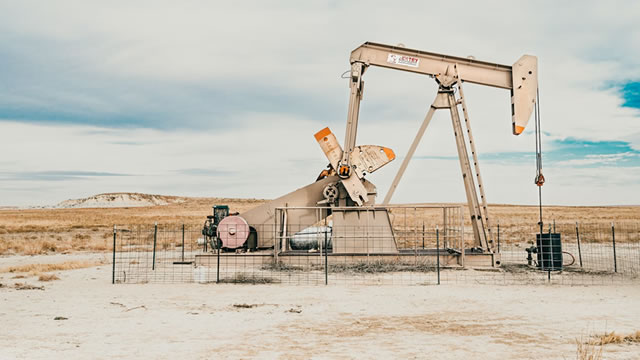
Brent crude and WTI, its US counterpart, are heading for a second consecutive weekly decline as traders bet that a diplomatic resolution to the US-Iran conflict will eventually reopen the Strait of Hormuz, even as hostilities continue to flare. Brent was trading around $91.53 per barrel on Friday, down roughly 5% on the week, while WTI was around $87.65, having shed more than 7% over the same period.

According to recent reports, U.S. and Iran are moving towards a temporary deal that would reopen the Strait of Hormuz.

One month-plus into the truce, supply-demand dynamics dominate as US production stays robust. WTI plunges below $92 after channel violation, Brent defends $95.01 support, and Natural Gas maintains bullish structure near $2.995.
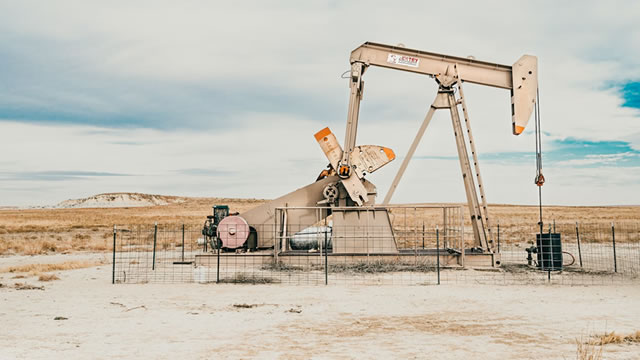
Oil prices rebound as fresh U.S. strikes on Iran revive supply-risk concerns, while falling U.S. inventories and bullish WTI and Brent structures keep the broader trend supported.

Oil markets are under strong pressure as traders bet that U.S. and Iran will reach a deal.

Spot oil prices are down to multi-week lows while key retailers demonstrate strength compared to expectations.

Oil markets rallied amid rising geopolitical tensions.
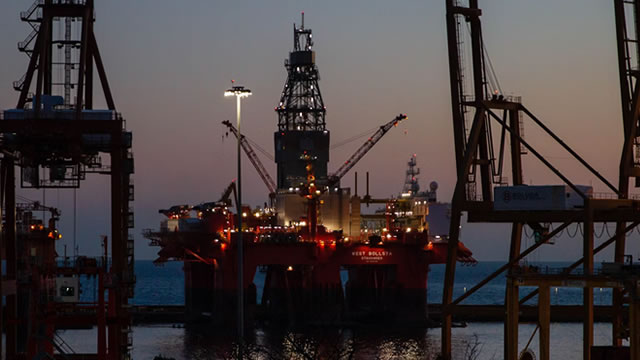
One month-plus into the truce, supply-demand dynamics dominate as US production stays robust. WTI plunges below $92 after channel violation, Brent defends $95.08 support, and Natural Gas breaks higher toward $3.008.
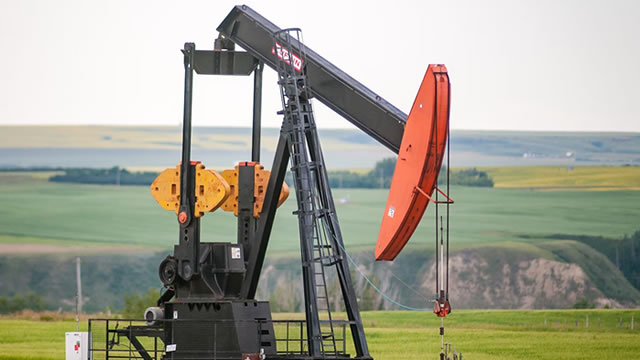
Oil prices rebound as U.S.-Iran uncertainty and Strait of Hormuz risks keep Brent and WTI supported near key technical levels.
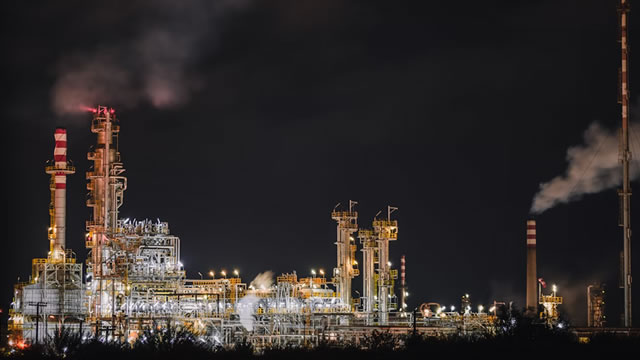
Oil markets tested new lows as President Trump said that negotiations were “proceeding nicely”.

With geopolitical risk premium largely removed, oil benchmarks weakened on technical selling while natural gas showed resilience. WTI confirms bearish breakdown targeting $89.96, Brent retests channel floor at $95.79, and NatGas builds momentum above $2.80.

Elusive Iran peace talks and supply risks keep the bullish case for energy markets intact. Check these energy ETFs to ride the upside.

Recent reports suggest that U.S. and Iran could reach a deal soon.
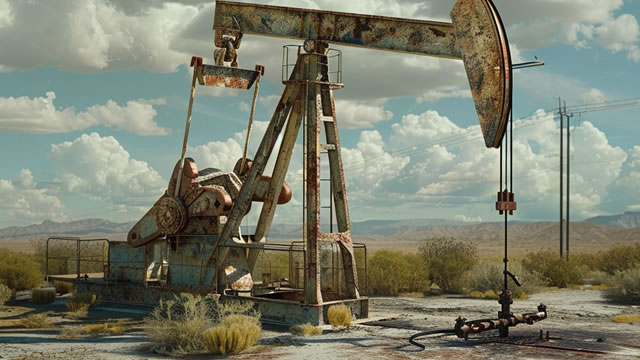
Oil and Natural Gas trade calmly as the Middle East truce holds firm. WTI suffers channel breakdown to $98.85, Brent tests lower support, and Natural Gas rebounds strongly toward $3.15 on positive RSI and volume.

Oil prices rebound as Hormuz supply risks, falling U.S. inventories and bullish technical patterns keep WTI and Brent supported despite short-term corrections.

According to recent reports, President Trump said that U.S. was in the final stages of talks with Iran.
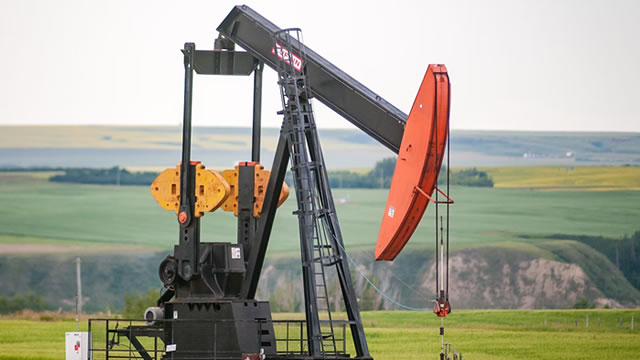
With geopolitical risk premium largely removed, oil benchmarks show constructive bullish action. WTI reclaims $103.69 defending channel support, Brent holds firm near $110.69, while Natural Gas surges above $3.10 with strong momentum.
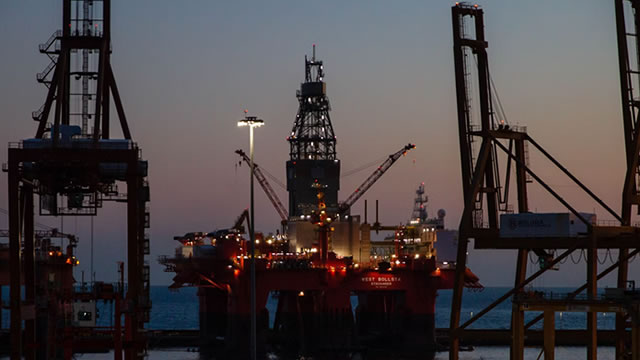
President Trump said that U.S. will hit Iran in case negotiations fail.
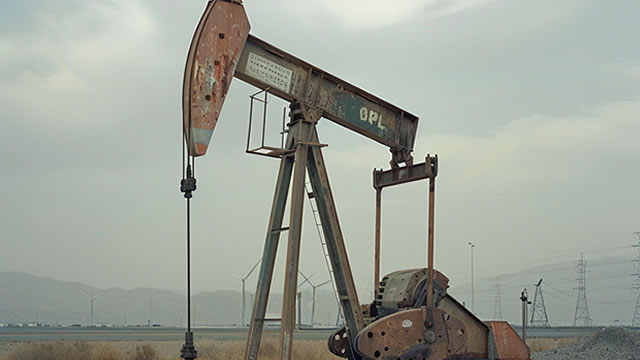
One month-plus into the truce, supply-demand dynamics dominate as US production stays robust and OPEC+ adjusts output. WTI defends blue channel support with strong bounce, Brent holds firm, and NatGas tests descending channel ceiling at $3.02–$3.05.

Oil markets test new highs amid rising geopolitical risks.

Geopolitical fears intensified after Trump's remarks over the weekend raised oil prices, reigniting volatility and strengthening the case for defensive ETF exposure.

WTI reclaims $102 inside a blue ascending channel as Hormuz disruptions cut 20% of global supply — bulls now eye $103–$105 resistance.
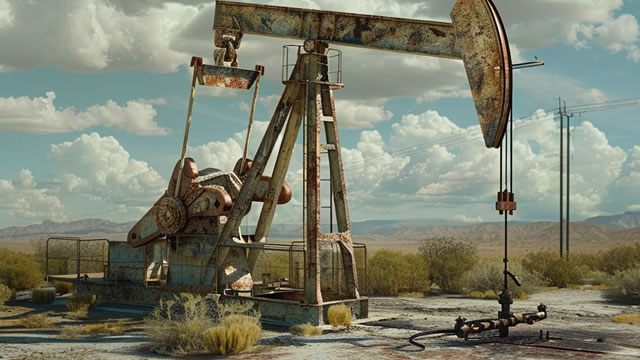
W&T Offshore NYSE: WTI reported first-quarter 2026 results that management said met or exceeded guidance across several operational and financial measures, helped by steady production, higher realized pricing and lower operating costs.

Oil markets gained strong upside momentum ahead of the weekend.
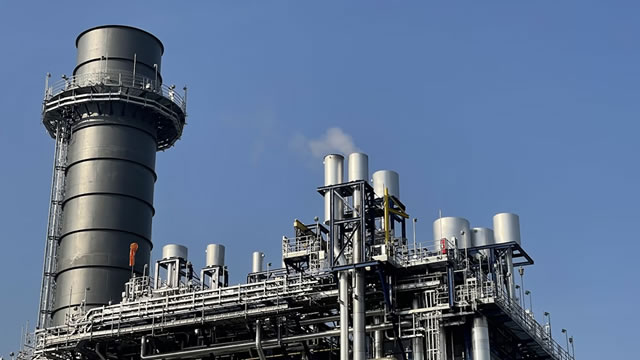
With geopolitical risk premium largely removed, oil and natural gas trade on supply-demand dynamics. WTI retreats to channel support at $98.75, Brent defends $107 with higher lows intact, and Natural Gas bounces toward $2.93–$2.94 resistance.

Oil markets are swinging between gains and losses as traders focus on Trump's recent comments.

Markets look resilient, but geopolitical and inflation risks still linger. Volatility ETFs could help investors hedge against potential downside risks.

With geopolitical risk premium lifted, oil benchmarks show resilience inside ascending channels. WTI bounces strongly above $101 targeting $103, Brent defends $105.96 channel support, while Natural Gas builds momentum toward $2.936.

Oil markets are losing ground as traders focus on the upcoming Trump – Xi meeting.
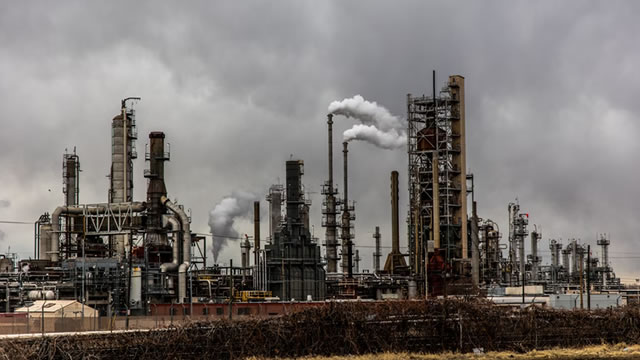
Oil and Natural Gas settle into technical ranges as the Middle East truce holds. WTI bounces strongly inside its blue channel, Brent finds solid support, and NatGas builds short-term base near $2.85.

Oil markets rally as traders bet that the Strait of Hormuz would not be reopened anytime soon.

With geopolitical risks fading, oil benchmarks return to supply-demand dynamics. WTI bounces strongly above $100 targeting $103, Brent defends ascending channel at $106.84, while Natural Gas remains capped below $2.945 with bearish bias.
Oil markets rallied as geopolitical risk premium increased.

With geopolitical risk premium fading, oil benchmarks turn lower on technical selling. WTI confirms bearish channel breakdown below $100 targeting $93.97, Brent retests $103 support, while Natural Gas struggles below $2.81 with bearish bias intact.
W&T Offshore, Inc. (WTI) Q1 2026 Earnings Call Transcript

Oil markets are losing ground as traders bet that U.S. will not restart the military operation against Iran.

U.S. producer Diamondback Energy bought options to sell the price difference between U.S. West Texas Intermediate crude and globally traded Brent crude at around minus $42 a barrel in coming months, according to the company's quarterly filing, a bet that could pay off if the United States banned oil exports.
WTI's Q1 EPS misses as commodity realizations slipped, but revenues climb 16% y/y on higher volumes and lower lease operating expenses.
W&T Offshore (WTI) reported break-even quarterly earnings per share versus the Zacks Consensus Estimate of $0.02. This compares to a loss of $0.13 per share a year ago.
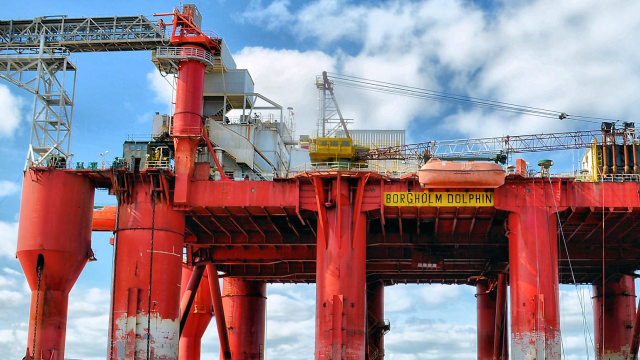
HOUSTON, May 07, 2026 (GLOBE NEWSWIRE) -- W&T Offshore, Inc. (NYSE: WTI) (“W&T,” the “Company,” “we” or “us”) today reported operational and financial results for the first quarter of 2026 and declared a second quarter 2026 dividend of $0.01 per share. This press release includes non-GAAP financial measures, including Adjusted Net Loss, Adjusted EBITDA, Free Cash Flow and Net Debt, which are described and reconciled to the most comparable GAAP measures in the accompanying tables to this press release under “Non-GAAP Information.

Oil traders stay focused on the recent U.S. proposal to end the war in the Middle East.

With geopolitical risk fading, oil benchmarks turn lower on profit-taking and technical breakdowns. WTI confirms bearish channel break, Brent tests lower support, while NatGas faces continued pressure from mild weather and strong storage builds.

Recent reports indicate that U.S. – Iran negotiations may restart next week in Islamabad.
Energy markets are breathing easier as the US-Iran ceasefire enters its fourth week, allowing tanker traffic to resume through the Strait of Hormuz. Natural gas bounces off Fib support at $2.78 inside its rising channel.

Oil markets are losing ground as U.S. did not react to Iran's attacks on UAE.
Clean energy ETFs could be the real winner as energy security fears, oil volatility and strong fund inflows drive investor interest.