Loading market dashboard

Ultimate Sports, Inc.
USPSHealthcareOTCUS
Loading disclosure news
News and disclosures filtered by period, publisher, and event group.
Select a headline to open the full news page in the app.
Amazon's planned 20% reduction in USPS volume is shifting the economics of package delivery, leaving fewer shipments to absorb the Postal Service's fixed costs, while the USPS is seeking more surcharges and a hike in the cost of a first-class postage stamp. Logistics experts say the impact will likely fall unevenly, with slower service appearing first and higher costs following, particularly for small businesses, non-Prime members, and rural customers.

This week's Amazon/USPS deal is one of the more interesting signals I've seen about where the company's delivery strategy is actually headed.

Amazon said Monday (April 6) that it has reached a new deal with the United States Postal Service (USPS) in which the postal agency will continue to make 80% of the package deliveries it currently makes for the retailer, Reuters reported Monday.

The agreement arrives as Amazon continues to expand its warehouse network and focus on same-day deliveries.

Amazon's contract with the USPS will expire in October. The USPS reportedly backed out of a potential renewal last December.
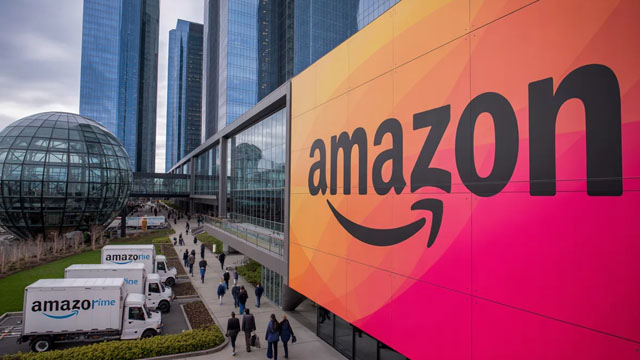
The U.S. Postal Service broke off contract talks with Amazon. Will Amazon have to offer better terms to get last-mile delivery?

Here are five key things investors need to know to start the trading day.

Amazon said that USPS backed out at the "eleventh hour" in contract negotiations in December. Amazon said it had aimed to expand the volume of packages it routes through USPS.

Postal Realty is consolidating a fragmented market of USPS landlords, giving it a long runway for acquisitions. Recent acquisitions have been accretive because property yields remain above Postal Realty's blended cost of capital. The main risk is USPS network restructuring, which could eventually pressure renewals for some specialized properties.