Loading market dashboard

iShares MSCI South Korea ETF
EWYFinancial ServicesAMEXUS
Loading disclosure news
News and disclosures filtered by period, publisher, and event group.
Select a headline to open the full news page in the app.
Samsung Electronics and SK Hynix fell sharply on Friday as a selloff in US chip stocks spilled into South Korea, raising fresh questions about the country's heavy dependence on the artificial intelligence boom. The KOSPI opened 3.66% lower and later dropped as much as 5.7%, prompting the Korea Exchange to trigger a sell-side sidecar that briefly suspended programme trading.

Samsung and SK Hynix are key to soaring South Korean stock market, but a rate hike could trigger a 15% market correction.

On CNBC's "Halftime Report Final Trades," Oliver Renick, the network's Options Reporter, said that while the S&P 500 has been on a 9-day winning streak, international stocks lagged last week.
South Korea's AI-fueled rally has made it the world's sixth-largest stock market, and the rally may be far from over. Investors may want to keep South Korea ETFs on their radar.
In previous decades, South Korea has always been a cultural and financial afterthought after Japan, with its dominance in electronics and engineering through companies like Sony, Toyota, JVC, Honda, and Mitsubishi; and China, with its enormous low cost manufacturing, geopolitical and military clout, and expanding middle class prosperity.
Asian equities fell on Tuesday as doubts over a Middle East ceasefire weighed on risk appetite, offsetting optimism around artificial intelligence funding and potential listings. MSCI's Asia-Pacific index excluding Japan slipped 0.6% after a volatile open.
The meteoric rise in Intel (NASDAQ:INTC | INTC Price Prediction) stock has arguably been the biggest story of the past year.
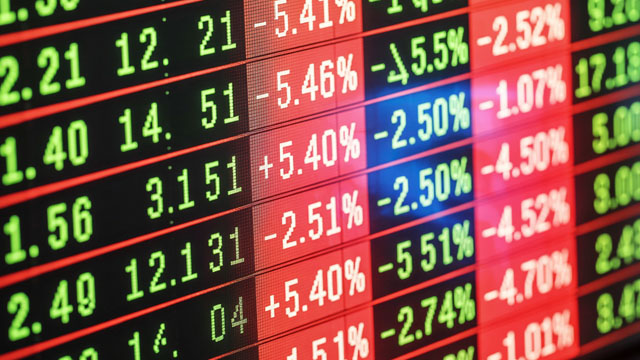
Korea has gone mad for AI. Capital-M Mad, the kind that turns a niche 3x leveraged country fund into the most-watched ticker on Korean retail brokerage screens.
The AI trade is hot, and it could stay hot for quite some time. Undoubtedly, much of the strength has been concentrated in the storage and memory stocks.
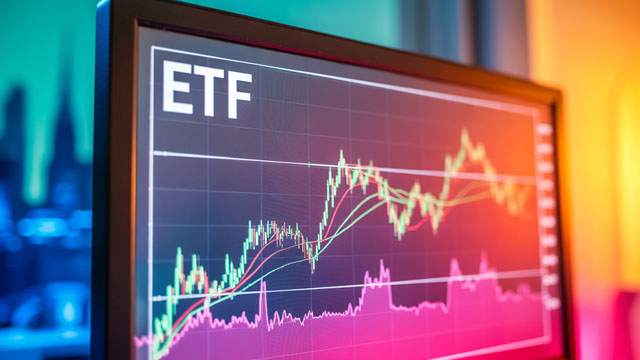
Matthews Asia's Sean Taylor explains why he remains constructive on China despite the broader indexes lagging some high-performing sectors. He also outlines his South Korea strategy, including an overweight call on chipmakers balanced by exposure to industrials.

Matthews Asia CIO Sean Taylor anticipates further gains for South Korean stocks. He is less interested in Baidu and other Chinese tech giants.
Just over three years ago, you wouldn't have thought that the South Korean stock market would be such a source of profound strength as the AI boom took off and things like storage and memory chips started seeing demand overwhelm supply.
South Korea's KOSPI has gone from emerging-markets afterthought to the best major equity story of 2026, and the engine is sitting inside every advanced AI server on Earth.

Here's a fact that might shock you: the iShares MSCI South Korea ETF (NYSEARCA:EWY | EWY Price Prediction) has ripped 303.3% higher in U.S.
A combined German-Dutch army corps will take command of NATO land forces in Estonia and Latvia later this year to strengthen the alliance's eastern flank against a potential Russian attack, the countries said on Thursday.

Share markets across Asia fell on Thursday after reports of fresh US military strikes on Iran and missile attacks linked to Kuwait unsettled investors and weakened optimism surrounding a possible peace agreement in the Middle East. Oil prices surged while Treasury yields climbed as investors reacted to escalating tensions and growing concerns over inflation ahead of key US economic data.
South Korean tech firm Kakao Corp said it has failed to reach a pay deal with its union after second-round negotiations mediated by the government on Wednesday.
Call it a K-pop.

South Korea is emerging as one of the strongest AI plays outside the United States. Semiconductor strength & AI optimism are driving KOSPI and South Korea ETFs.

Japan's Nikkei 225 climbed to a record high on Wednesday, as a rally in semiconductor shares outweighed weakness in banks and real estate stocks. The benchmark index rose 1.25% to 65,811.78 as of 0147 GMT, after touching an intraday high of 66,428.81.
Asia's smaller companies have delivered stronger returns than the region's large-cap stocks over the past five years, while also offering lower volatility and broader sector exposure, according to HSBC Asset Management. The firm said Asia small-cap stocks outperformed their large-cap counterparts by nearly 3% annualised at the index level over the period.
While U.S. markets are closed for Memorial Day, stocks in Europe and Asia soared on Monday amid optimism about a potential end to the Iran war and reopening of the Strait of Hormuz. Japan's benchmark Nikkei 225 index soared 2.87%, while South Korea's KOSPI rose 0.41%, Hong Kong's Hang Seng climbed 0.86% and India's BSE Sensex bounced up 1.2%.

On ETF Prime, VettaFi's Todd Rosenbluth breaks down 2026's ETF inflows surge and a looming $1 trillion ETF.
Contrary to what some Trump officials believe, Europe remains critical to our defense and, indeed, to securing the Free World. Therefore, the sudden, unexpected cancellation of a U.S. Army armor brigade's deployment in Poland raises a deeply disturbing question: Is Washington retreating from Europe?
Investors are focusing on AI developments in North Asia. China is coming out of more than three years of deflation measured by the producer price index.

About 10 companies from countries including Indonesia, South Korea and Singapore have filed for Hong Kong listings this year and some others are exploring options, an exchange executive said, as the market's robust IPO momentum lures global firms.
The Roundhill Memory ETF (CBOE:DRAM) opened for trading on April 2, 2026 as the first U.S.
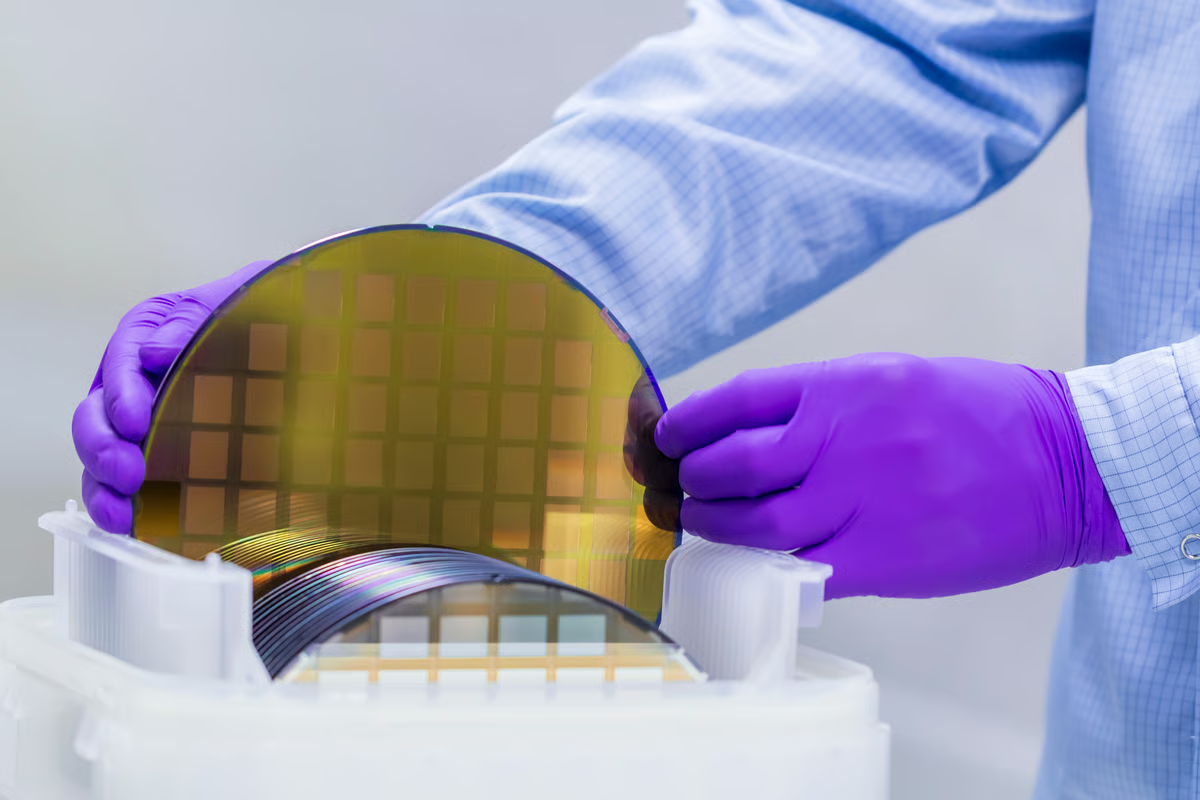
These memory chipmakers have major expansion plans underway.
South Korea's Kospi Index crashed by over 6% today, May 15, as the recent rally took a breather and investors started to book profits. After crossing the key resistance at 8,000 this week, it plunged to 7,585.
South Korea's stock market is on track for another superb year as it swats away tariff and energy threats to its economy.
SK Innovation , owner of South Korea's top refiner SK Energy, said on Wednesday the normalisation of production and logistics of its refining business is expected to take time even if the Middle East conflict is resolved.

iShares MSCI South Korea ETF is downgraded to sell after a sharp 10% drop driven by AI profit-taking comments. EWY is highly concentrated, with SK Hynix and Samsung comprising 52% of the portfolio, amplifying volatility and risk. Despite a low 7.6x P/E, surging EPS estimates and extreme momentum signal peak earnings and potential downside ahead.
The iShares MSCI South Korea ETF (NYSEARCA:EWY | EWY Price Prediction) is up 80% year-to-date and about 200% over the past year, which is not what a country fund is supposed to do, especially one that spent a decade as the poster child for the “Korea discount.

QQQ surged 5.4% as easing Middle East tensions, AI momentum and upbeat earnings fueled a sixth straight winning week for the S&P 500.

A top South Korean official has proposed a tax on AI profits to be redistributed among society as a semiconductor boom drives massive earnings for tech giants Samsung Electronics and SK hynix.
Timothy Moe, chief APAC equity strategist at Goldman Sachs, says the firm's KOSPI target upgrade to 9,000 is a conservative one as he views the momentum as part of a larger and longer-term uptrend.
Two members of the U.S. House of Representatives on Monday will introduce legislation to toughen a U.S. government ban on Chinese automakers from entering the American market just before President Donald Trump heads to China for talks.

The AI semiconductor trade has a passport, and lately it has been stamped more often in Seoul than in San Jose.
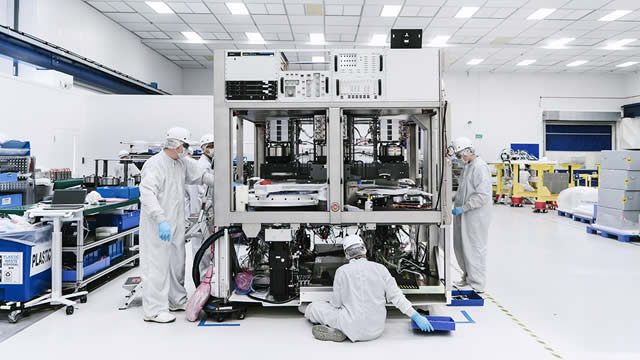
AI, Alternative Energy and Commodity stocks are all leading this market as a confluence of economic developments drive growth and constrain supply.

Taiwan and South Korea sit at the center of the global chip supply chain, and three exchange-traded funds offer the most direct way to hold that exposure: the iShares MSCI Taiwan ETF (NYSEARCA:EWT | EWT Price Prediction), the iShares MSCI South Korea ETF (NYSEARCA:EWY), and the iShares Semiconductor ETF (NASDAQ:SOXX).
South Korea ETFs surge as KOSPI tops 7,000 for the first time, driven by booming AI chip demand and gains in Samsung and SK Hynix.

South Korean President Lee Jae Myung and Dutch Prime Minister Rob Jetten agreed in their first phone call to expand cooperation in semiconductors, AI, quantum technology, batteries and offshore wind, Seoul's presidential Blue House said.

Asian markets opened Thursday with a powerful relief bid, as investors leaned into hopes that tensions in the Middle East may ease enough to keep the Strait of Hormuz open. Japan set the tone, with the Nikkei 225 vaulting through 62,000 for the first time, while broader regional equities also pushed higher.

Major indexes keep hitting all-time highs. Can anything stop them?
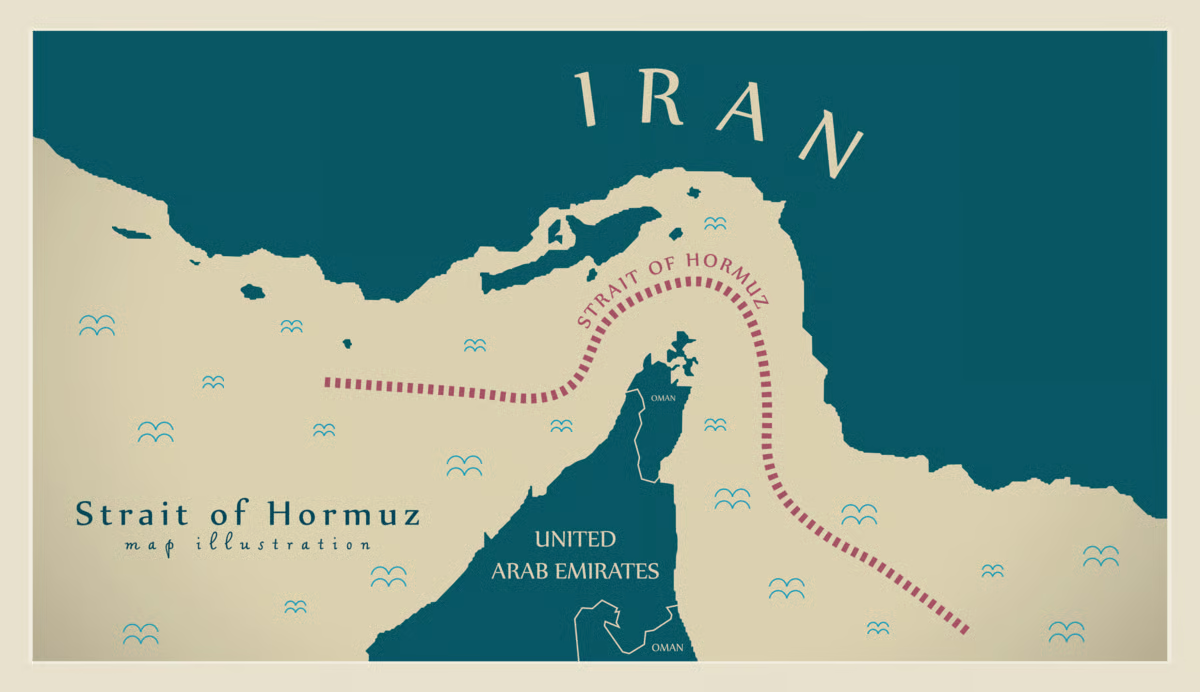
Asian markets opened on a cautious note on Tuesday, with traders keeping one eye on oil and the other on geopolitics. The tensions between the United States and Iran continued to unsettle global markets.
Despite a downward trend for several weeks at the beginning of the year, in spring 2026 the S&P 500 has once again shot upward, achieving fresh new all-time highs in the process. Still, even the most bullish investors may be wondering how long the trend can continue, given the prolonged war in Iran and its impacts on the global oil market—not to mention preexisting factors like inflation, aggressive interest rate hikes, and more.
Memory chip makers used to be cyclical and risky to enter after explosive upside runs.

South Korea's stock market is on a historic run, but ETF investors piling into the rally may be making a far narrower bet than they realize.
South Korea's exports continued to surge in April, led by semiconductor shipments, suggesting the trade-dependent economy remains resilient despite risks from the Middle East conflict.
The primary factors behind the strength of the Korean market is the boom in the market for high-end memory chips used by AI developers

Asian markets began on Wednesday on an uneven footing as investors weighed multiple factors. The sentiment appeared cautious following a technology-led selloff in the United States, fresh concerns about the sustainability of AI spending, and lingering tension surrounding the Iran conflict.

South Korea's stock market tops the UK, and ETFs like EWY give investors a direct way to tap into the country's powerful equity rally.

EWY hits a 52-week high, soaring 183% from its low as South Korea's chip-driven market rally boosts momentum and signals potential near-term upside.
The inverse relationship between oil prices and stock prices broke today.

South Korea ETFs like EWY rally as KOSPI hits record highs, fueled by AI-driven semiconductor demand and strong foreign inflows.
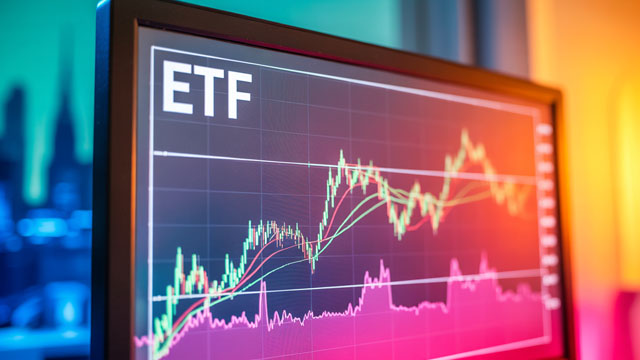
Evergreen Capital Management LLC lessened its position in iShares MSCI South Korea ETF (NYSEARCA:EWY) by 8.0% in the undefined quarter, according to the company in its most recent filing with the SEC. The institutional investor owned 107,640 shares of the exchange traded fund's stock after selling 9,355 shares during the quarter. Evergreen

Stocks have soared as the Iran conflict takes steps toward a resolution. Oil prices plunged on Friday on news of the Strait reopening.

South Korea's KOSPI delivered one of the strongest runs among major equity markets over the past year, yet almost no one outside Asia noticed because the news cycle was consumed by a war in the Middle East.
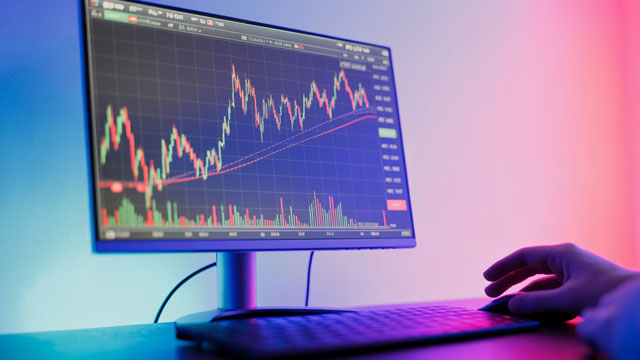
The iShares MSCI South Korea ETF rallied off its March lows in a big way. Some of that bullishness is tied to hopes of a ceasefire in Iran.
When conflict escalates, investors typically move toward defensive assets such as U.S. Treasuries, gold, or large-cap domestic stocks. However, when a ceasefire is announced, risk appetite returns quickly.