Loading market dashboard

Invesco DB Gold Fund
DGLFinancial ServicesAMEXUS
Loading disclosure news
News and disclosures filtered by period, publisher, and event group.
Select a headline to open the full news page in the app.
Gold and silver investors aren't heading into the weekend with much to feel good about.

The latest Kitco News Weekly Gold Survey showed Wall Street overwhelmingly bearish on gold's near-term prospects, while Main Street grew more pessimistic after gold's week of weakness.

Inflation fears on multiple fronts have taken their toll on the gold market, with prices breaking below a critical long-term support level.

Gold is at a technically precarious juncture, and the good news for you is that options market may be mispricing the risk.
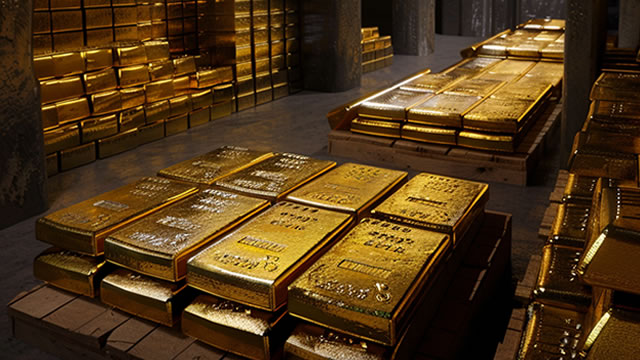
The last time gold and silver shed this much value was in late March, when gold hit a low around $4,400 and silver fell to as low as $67. Analysts blamed that price crash on mixed signals about Iran peace talks from both Iranian and American leadership.

The global gold supply will see modest growth in both mine production and recycling in 2026, even as gold demand is projected to decline as double-digit losses in jewelry and central bank purchases are offset by increased investor appetite for bars and coins, which will replace jewelry as the largest component of demand for the first time, while the annual average gold price is forecast to surge by 43% to a new record high of $4,920, according to the latest analysis and projections from Metals Focus.

Spot gold and silver prices are lower in early U.S. trading Friday, after stronger-than-expected U.S. payrolls lifted Treasury yields, firmed the dollar and pressured the rate-cut trade.

The gold market is seeing surging selling pressure as the U.S. economy created far more jobs than expected, raising expectations that the Federal Reserve has room to raise interest rates to cool inflation.
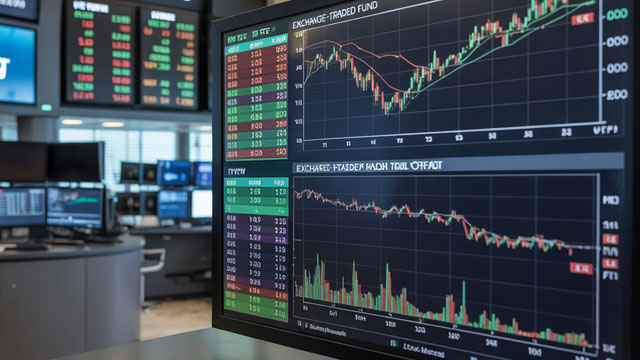
Gold prices traded below $4,450 a troy ounce and were on track for a weekly loss as uncertainty surrounding U.S.-Iran peace talks weakened sentiment.

Gold and silver remain under pressure ahead of the U.S. nonfarm payrolls report, with both metals trapped in tight ranges as traders wait for a breakout confirmation.

A shift in the global economic order is triggering a worldwide race for physical resources, creating the conditions for a sustained commodity bull market and reinforcing gold's role as a critical reserve asset, according to two leaders in global financial markets.

China's gold market, which along with central bank demand has been one of the central pillars of the multi-year gold rally, has shown definite signs of cooling in recent weeks. “Amid heightened market uncertainty, gold ETFs have seen an overall reduction in assets under management, with several funds experiencing significant net outflows,” noted a report from Gelonghui Finance.

Gold settled 0.9% higher, up four of the past six sessions, and silver rose 0.4%, up two of the past three sessions.
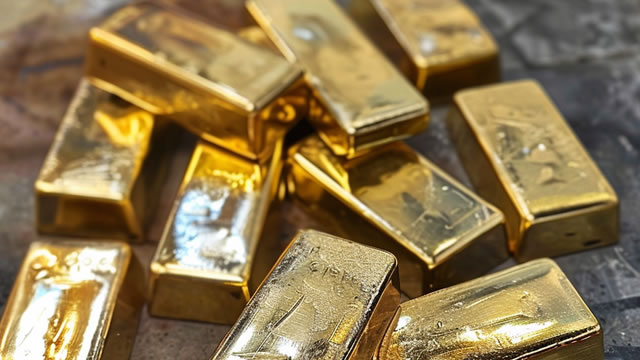
Rising inflation pressures due to the ongoing war in Iran mean investors will have to wait a little longer for gold to break out of its current consolidation phase, according to Carsten Fritsch, commodity analyst at Commerzbank.

Gold price rallies after rebounding from the 200-day MA as falling oil, lower yields, and renewed Fed rate-cut hopes boost XAU/USD ahead of NFP.
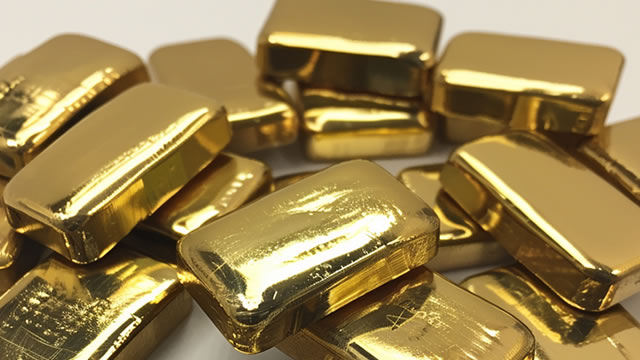
Spot gold prices are firmer and spot silver prices are sharply higher in early U.S. trading Thursday, as a softer U.S. dollar, weaker crude oil and mixed U.S. equity futures framed the final session before the May employment report.
Gold prices were holding above $4,500 per ounce on Thursday morning following the release of worse-than-expected labor market data after the number of Americans filing new claims for unemployment benefits were above economists' forecasts.

Gold prices have hit a critical technical floor as the surrounding precious metals market has taken a turn, potentially setting the stage for a rebound.
As the ceasefire remains intact beyond nine weeks and oil flows gradually normalize, gold faced strong selling pressure under $4,500 while silver slipped to $73.34. Strong central bank demand and silver's industrial shortages provide longer-term resilience.

Asian equities fell on Thursday as renewed fighting between the United States and Iran pushed investors back towards safer assets, even as oil prices eased after Israel and Lebanon moved to implement a ceasefire. MSCI's Asia-Pacific ex-Japan index dropped 1.5%, while S&P 500 e-mini futures slipped 0.5%.

Gold rose in early trade amid a slightly weaker dollar that makes the U.S.-dollar denominated precious metal less expensive for potential investors.
Spot gold and silver prices are sharply lower after the close Wednesday, as crude oil rallied, Treasury yields rose and renewed U.S.-Iran fighting pressured non-yielding metals.

After March saw central banks flip to net sellers of gold, the sovereign sector switched back to bullion purchases in April, according to the latest data from the World Gold Council (WGC).“Central banks resumed net gold purchases in April, having bought 17t,” wrote Marissa Salim, the WGC Senior Research Lead, APAC.
Precious metals are under strong pressure as traders bet on hawkish central banks.

One day after a bombshell report from Bloomberg claimed the Reserve Bank of India (RBI) sold gold reserves worth roughly $12 billion in the two weeks through May 22, the central bank issued a firm denial.The RBI said in a statement on Wednesday that its physical stocks of the precious metal remain unchanged at 880.52 tonnes.

Kinross Gold Corp (NYSE:KGC) was last seen down 2.8% at $28.18, pulling back alongside the broader precious metals sector.
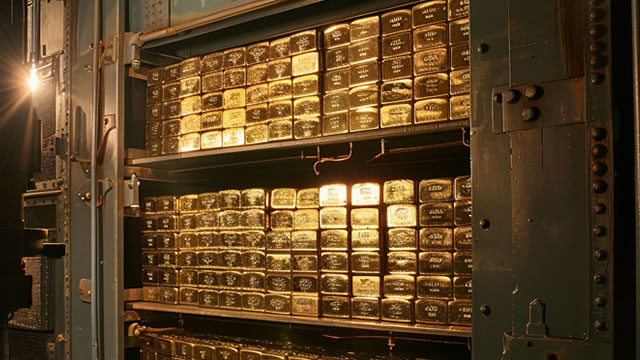
Rising expectations that the Federal Reserve will have to hike interest rates rather than cut them by the end of the year continue to take their toll on the precious metals market, with gold prices falling below $4,500 an ounce on Wednesday.
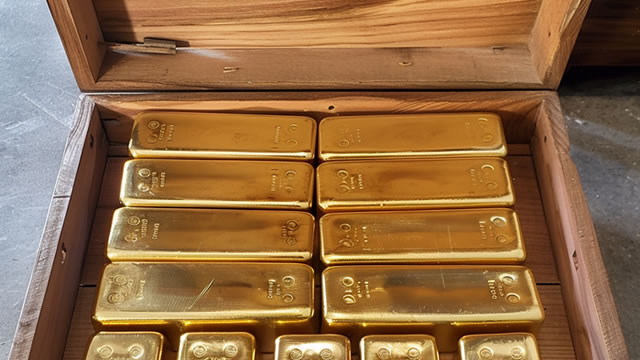
The U.S. service sector improved above expectations last month, according to the latest data from the Institute for Supply Management (ISM).The ISM announced on Wednesday morning that its Services Purchasing Managers Index came in at 54.5 in May, up from 53.6 in April. The data was better than expected, as economists were looking for a reading of 53.8.

Gold drifts a little bit lower early on Wednesday, as traders continue to see a consolidation range play out. The noise coming out of the Middle East continues to be a concern in this market.
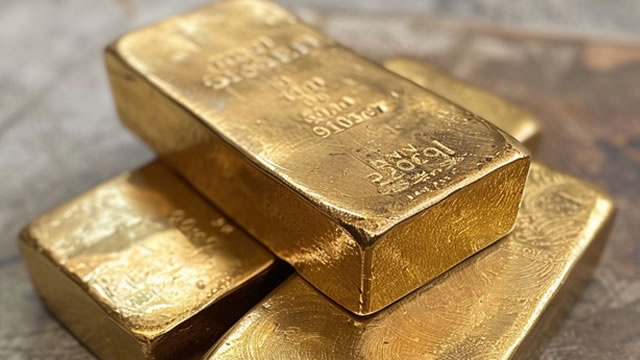
The gold market could see renewed selling pressure as the U.S. labor market remains resilient, with the private sector creating slightly more jobs than expected in May.
The ongoing US-Iran ceasefire allowed gold and silver to react to technical breakdowns. Gold accelerated lower below $4,500 with strong bearish continuation while silver traded at $74.80.

Gold and silver remain under pressure as oil-driven inflation, Fed rate fears, and U.S. jobs data shape the next move in precious metals.

Gold futures' technical backdrop has likely improved in recent weeks, StoneX's Matt Simpson says in commentary. Prices have repeatedly found support around $4,400 an ounce and momentum indicators are starting to turn higher, the senior market analyst says.

Spot gold prices are near steady and spot silver prices are lower after the close Tuesday, as a stronger U.S. dollar and firmer crude oil offset support from lower Treasury yields.
Axel Merk, founder and CIO of Merk Investments, said that while gold remains a relatively 'calm' investment, the world around the commodity and the geopolitical and economic 'crosscurrents' including AI investment and the war with Iran have created volatility in markets. -------- Watch Bloomberg Radio LIVE on YouTube Weekdays 7am-6pm ET Saturday & Sunday 7am-10am ET WATCH HERE: http://bit.ly/3vTiACF Follow us on X: https://twitter.com/BloombergRadio Subscribe to our Podcasts: Bloomberg Daybreak: http://bit.ly/3DWYoAN Bloomberg Surveillance: http://bit.ly/3OPtReI Bloomberg Intelligence: http://bit.ly/3YrBfOi Balance of Power: http://bit.ly/3OO8eLC Bloomberg Businessweek: http://bit.ly/3IPl60i Listen on Apple CarPlay and Android Auto with the Bloomberg Business app: Apple CarPlay: https://apple.co/486mghI Android Auto: https://bit.ly/49benZy Visit our YouTube channels: Bloomberg Podcasts: https://www.youtube.com/bloombergpodcasts Bloomberg Television: https://www.youtube.com/@markets Bloomberg Originals: https://www.youtube.com/bloomberg Quicktake: https://www.youtube.com/@BloombergQuicktake
Gold continues to compress within a symmetrical triangle as overlapping support and resistance levels cluster, suggesting an imminent breakout decision as volatility contracts near key moving averages.
Gold continues to assert its dominance in global financial markets as an important monetary asset, with the European Central Bank highlighting a significant milestone for the precious metal.
Gold markets moved away from session highs as traders focused on stronger dollar and rising Treasury yields.

Gold prices declined in May, as the Iran conflict supported yields and the dollar while reducing expectations for rate cuts, but debt concerns, de-dollarization, sticky inflation and steady central bank demand remain key pillars of support for gold, the latter despite some temporary selling linked to energy-related pressures., according to Ole Hansen, head of commodity strategy at Saxo Bank.

The gold market is struggling to hold key near-term support at $4,500 an ounce as the U.S. labor market remains fairly resilient, with the number of available jobs rising more than expected in April.

The debt of the world's biggest economy is no longer the primary reserve asset for central banks worldwide.

Gold prices edged lower in early trade. The precious metal's bias remains tilted slightly lower, said FOREX.com.
Spot gold and silver prices are lower after the close Monday, as crude oil jumped, Treasury yields firmed and U.S.-Iran negotiations remained unresolved.

Gold and silver prices are trapped in the range established earlier in the U.S.-Iran conflict, while high prices and new import duties are impacting key areas of the Asian market, according to precious metals analysts at Heraeus.In their latest update, the analysts noted that gold prices continue to be dominated by shifting Iran-U.S. negotiations.

Gold is trading near session lows after the latest data showed the U.S. manufacturing sector beating expectations last month, with prices also moderating in May.The Institute for Supply Management (ISM) announced on Monday that its Manufacturing Purchasing Managers Index rose to 54 in May, its highest reading since May 2022, after posting a 52.7 reading in April. The headline number was higher than expected, as consensus forecasts looked for a reading of 53.
Despite gold's recent disappointing price action, the precious metal's long-term bull case has rarely looked stronger, as the Federal Reserve faces an increasingly impossible balancing act between inflation, economic growth, and rising sovereign debt risks, according to one fund manager.

Gold prices slip as Iran strikes lift oil, boost the dollar, and fuel inflation fears. See why traders are abandoning rate-cut bets.
California faces an unprecedented exodus as high taxes, a $31 billion deficit and a ballot-approved wealth tax push more billionaires and businesses to Florida.
The ongoing US-Iran ceasefire allowed gold and silver to react to macro and technical signals. Gold accelerated lower below $4,500 with strong bearish continuation while silver traded at $75.58.

Gold prices edged down at the start of the week in Asia as markets await signs of progress in U.S.-Iran negotiations.
Young filmmakers from the internet are beating big franchises at the box office.

The latest Kitco News Weekly Gold Survey showed Wall Street feeling fresh optimism about gold's near-term prospects, while Main Street sentiment slid into bearish territory despite gold's late-week rebound.
Spot gold prices are higher and spot silver prices are lower after the close Friday, as a sharp monthly drop in crude oil reduced inflation pressure while a firmer U.S. dollar kept silver under pressure.
Gold and silver head into the new week with investors focused squarely on the health of the U.S. economy and labor market, as a busy calendar of economic data releases could significantly influence expectations for Federal Reserve policy.

Gold has been one of the most talked-about markets in 2026 – and for good reason. After reaching an all-time high of $5,600 per ounce in late January, gold futures entered a deep correction that has lasted more than three months.
Gold rallies early on Friday as interest rates start to drift a bit lower. This is a market that continues to look good longer-term, but with noise coming out of the Middle East, the interest rates continue to be an issue.

Spot gold prices are higher and spot silver prices are slightly lower in early U.S. trading Friday, as lower crude oil prices and easing Treasury yields supported bullion while silver remained capped below near-term moving-average resistance.
While the latest stock market upsurge turned Micron (NASDAQ: MU) into a household name, Jim Simons made a prodigious investment in the memory company as far back as 2013 – when it was trading at approximately $18 – and saw the equity rise almost exactly 5,000% since.

As the S&P 500 soars even higher by the end of the decade, gold will be going along for the ride, says Yardeni Research.

Gold and silver rebounded from key support zones as U.S.-Iran ceasefire hopes eased immediate pressure, but inflation risks and interest-rate expectations keep both metals trapped in consolidation.